Understanding how roof ventilation fans work can save you thousands in energy costs and prevent costly repairs. This guide breaks down the mechanics, types, and benefits of these essential home systems.
Quick Answer: How a Roof Ventilation Fan Actually Works
A roof ventilation fan is an active exhaust device installed on the roof deck or gable end, positioned above the attic space to remove trapped heat and moisture. The fan’s motor spins blades that pull hot, humid air from the attic, creating negative pressure that draws in cooler air through intake vents.
The basic principle remains the same whether the unit is electric, solar powered, or wind-driven: exhaust plus intake equals continuous air circulation. Fresh air enters through soffit vents at the eaves, travels across the attic, and exits through the fan opening.
This airflow keeps attic temperature and humidity closer to outside temperature levels. Ventilation fans help to keep attic temperatures from rising excessively, which saves energy costs and reduces strain on air conditioning units. The result: protected shingles, healthier framing, drier insulation, and less work for your HVAC system.
Roof Ventilation 101: Fans vs. Passive Vents
Roof ventilation is a system that allows fresh air to enter the attic while removing stale, hot air and moisture, which is essential for maintaining a dry and stable attic environment. The key distinction lies between passive systems and active systems.
Intake vents:
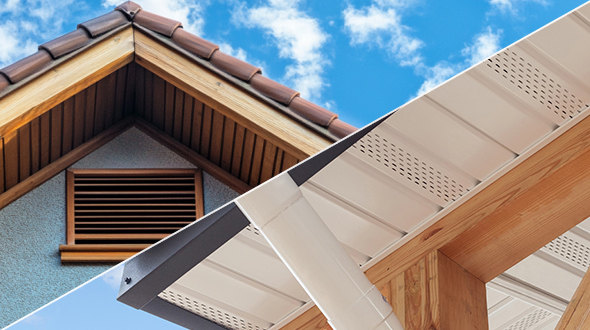
- Soffit vents, also known as eave vents, are installed under the eaves and allow cool air to enter the attic, promoting proper ventilation
- Located along the lower roof edge
- Provide the “supply” side of the ventilation system
Exhaust vents:
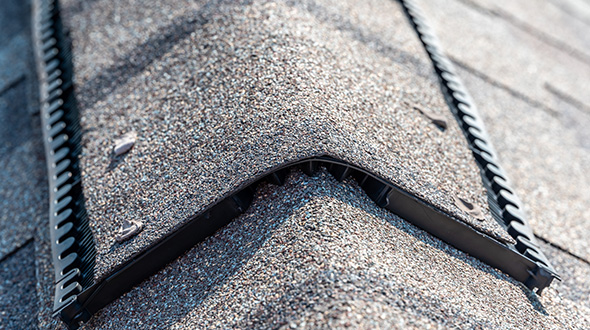
- Ridge vents are installed along the peak of the roof and work effectively with soffit vents to create a balanced airflow by allowing hot air to escape
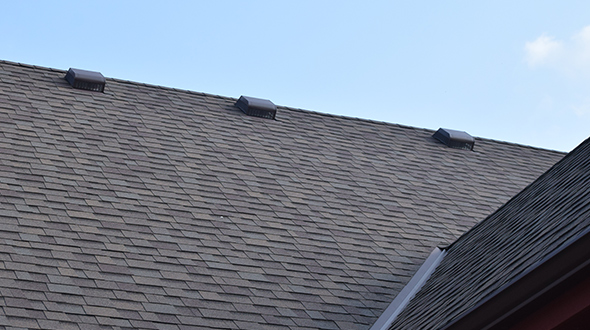
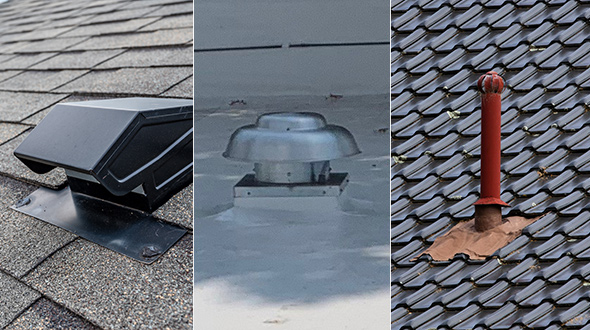
- Box vents, or louver vents, are installed near the roof ridge and allow hot air to rise and escape, effectively ventilating the attic space without moving parts
- Gable vents provide cross-ventilation on roof ends
- Roof ventilation fans actively accelerate natural airflow
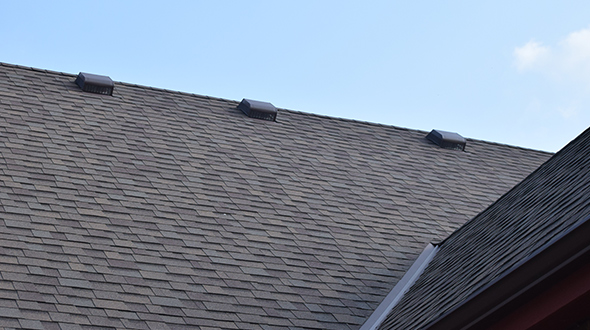
Active systems like powered attic fans use electricity or solar power to move air, whereas passive systems rely on natural principles like the stack effect and wind. Fans prove especially valuable in hot climates, humid coastal regions, and mixed climates with both scorching summers and winter freezes, where passive vents alone struggle.
The Science Behind Roof Ventilation Fans
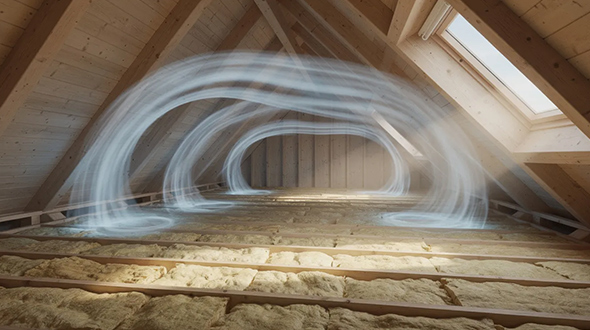
The physics are straightforward: warm air rises because it’s less dense than cold air. This creates the stack effect—hot attic air naturally moves upward toward the roof cavity while cooler air enters from below. A fan supercharges this natural movement.
In summer, attic temperatures can exceed 150°F, and ventilation fans lower this heat to prevent conditioning loads on air conditioning systems. When hot air cannot escape, it can create condensation in the attic, leading to rotting and further structural damage.
A roof fan creates negative pressure at the top of the attic space. This pressure differential pulls replacement air through intake vents rather than from your living space. Picture the flow: outdoor air enters soffits, travels horizontally across insulation, rises through the roof cavity, and exits through the fan.
Seasonal operation differs:
- Summer: The fan mainly manages excess heat before it radiates into living spaces
- Winter: It expels moist air from showers, cooking, and breathing that migrates upward, preventing condensation and ice dams
Main Types of Roof Ventilation Fans
Not all attic fans work the same way, but they all work to expel hot air. An attic fan’s CFM metric (cubic feet per minute) indicates how much air it can exhaust per minute. As a rule of thumb, per square foot of attic floor space, you need 0.7 to 1.0 CFM to effectively remove hot air from the area. As an example, a 1,000 sq. ft. attic requires a 700 to 1,000 CFM-rated fan. The table below lists the CFM range for each type of roof vent and its best applications. Here’s how the three main types of roof vents compare.
Electric-Powered Attic Fans
Powered attic fans actively remove hot air from the attic using electricity, making them suitable for homes with complex rooflines or limited natural airflow. Mounted on the roof or gable, these units connect to household power and typically run 1,000–2,500 CFM. Most feature thermostatic or humidistatic controls for automatic operation.
Solar Attic Fans
Solar attic fans utilize solar energy, requiring no electricity costs and operating during peak sunlight hours. These solar-powered fans integrate a panel directly on the housing, driving a DC motor that produces 800–1,600 CFM during sunny conditions. Ideal for reducing energy costs while still removing attic heat.
Wind-Driven Turbine Vents
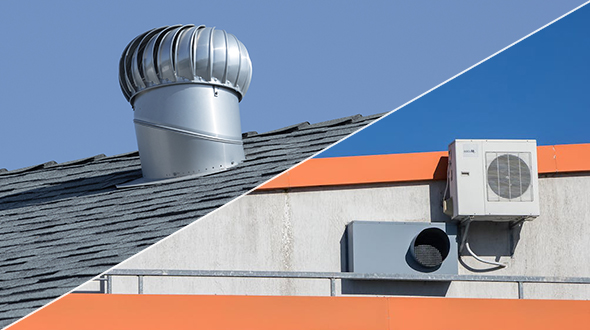
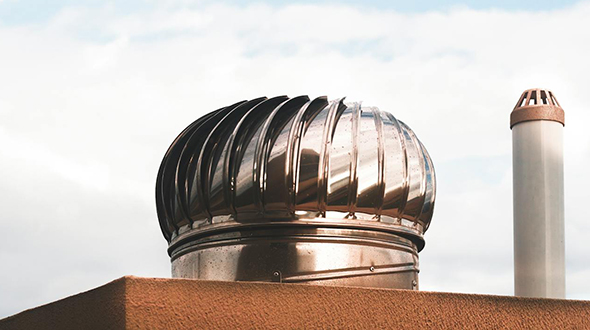
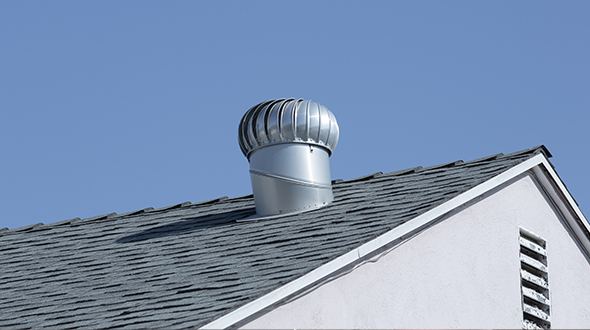
Turbine vents, also known as whirlybirds, rely on wind to spin and draw out hot air from the attic, making them effective in breezy conditions but less so in calm weather. These static vents need no electricity but depend entirely on outdoor conditions, achieving up to 520 CFM per unit in adequate wind.
| Type | Power Source | CFM Range | Best For |
|---|---|---|---|
| Electric | Household circuit | 1,000–2,500 | Reliable, consistent airflow |
| Solar | Integrated panel | 800–1,600 | Zero operating costs |
| Turbine | Wind | Up to 520 | Low maintenance, no wiring |
Step-by-Step: What a Roof Ventilation Fan Does All Day
Here’s a typical summer afternoon scenario:
- Heat buildup begins: Outdoor temperature hits 95°F. Solar radiation heats the shingles, and the attic temperature climbs. In summer, attic temperatures can exceed 150°F, and ventilation fans help to reduce this heat, preventing it from radiating into living spaces.
- Conditions trigger activation: The thermostat senses 105°F (or the humidistat detects elevated moisture). The fan activates.
- Exhaust begins: The fan expels hot air at 1,200+ CFM through its roof-mounted opening. Attic temperature drops 5–10°F within 15 minutes.
- Fresh air enters: Cooler air rushes in through soffit vents, flowing across insulation and rafters before rising and exiting through the fan.
- Continuous cycle: This process repeats, maintaining 20–30 air changes per hour until evening temperatures naturally cool the space.
At night or in cooler weather, the system shifts focus. Humid air from household activities migrates upward through ceiling gaps. The humidistat activates to vent this moisture before it condenses on cold rafters—preventing mold growth and wood rot.
Controls and Sensors: Thermostats, Humidistats, and Smart Fans
Modern roof ventilation fans rarely run constantly. Many roof ventilation fans come equipped with thermostatic or humidistatic controls to optimize energy usage.
Thermostat controls: Set a trigger temperature (typically 95–110°F). The fan activates above this point and shuts off when the attic cools. This prevents wasted energy from running during mild weather.
Humidistats: These sensors measure relative humidity and trigger the fan when moisture levels climb—usually around 55–60% RH (relative humidity). This prevents moisture buildup that leads to mold and structural damage.
Smart/Wi-Fi fans: App-controlled units allow remote monitoring of attic temperature and humidity trends. You can adjust settings from your phone and receive alerts if something goes wrong.
A practical example: In most U.S. climates, settings of 100°F and 55–60% RH provide consistent airflow while avoiding unnecessary operation.
Why Roof Ventilation Fans Need Proper Intake Vents
A fan alone cannot work correctly without adequate intake vents. Proper roof ventilation relies on a balanced system of intake and exhaust vents, where warm air rises and escapes through exhaust openings while cooler air enters through intake vents, creating continuous airflow.
If not properly air-sealed, a powerful fan can inadvertently pull conditioned air from the living space into the attic, increasing energy costs. This happens when intake capacity falls short of the fan’s exhaust CFM.
Building codes and manufacturers recommend roughly 50/50 net free vent area between intake and exhaust. For example, a 1,200 sq ft attic under the 1:300 ratio needs approximately 4 sq ft of total vent area split between intake and exhaust.
Visual inspection tips:
- Check for continuous soffit vents along eaves
- Clear any paint, insulation, or debris blocking airflow
- Avoid mixing too many different exhaust types (ridge vents plus powered fans can create conflicts)
Benefits of Using a Roof Ventilation Fan
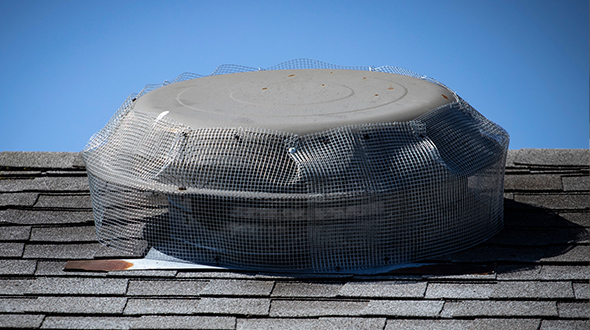
Fans are typically installed to solve specific problems: hot second floors, high summer bills, or moisture damage. Here’s what proper attic ventilation delivers:
Temperature control: Lower attic temperatures in hot weather—often 10–30°F drops compared to poorly ventilated attics. Roof ventilation helps maintain a comfortable indoor temperature by preventing extreme heat buildup in the upper levels of a home.
Energy savings: A well-ventilated roof helps reduce energy costs by allowing hot air to escape efficiently, thus reducing the strain on air conditioning systems during warmer months. Your house stays cooler without overworking the AC.
Moisture management: Effective roof ventilation prevents moisture buildup, which can lead to mold growth and structural damage, ensuring a healthier living environment. Maintaining airflow through roof ventilation can prevent mold growth due to moisture buildup from household activities.
Extended roof life: Proper roof ventilation can extend the life of your roof by keeping shingles cooler, which prevents damage from overheating. Roof ventilation protects roofing materials from premature aging.
Potential Problems When Roof Fans Are Designed or Installed Poorly
A roof ventilation fan can cause issues if improperly sized, placed, or installed with inadequate natural ventilation.
Oversizing and depressurization: Too much exhaust without matching intake creates problems. The fan pulls air inside from the living space through ceiling gaps, making air conditioning work harder and hiking bills 10–15%.
Backdraft risks: In homes with gas water heaters, furnaces, or fireplaces, an oversized fan can draw combustion fumes back into the house instead of up the chimney.
Common installation mistakes:
- Cut shingles or flashing that leak
- Fan installed too low on the roof
- Mixing powered fans with ridge vents, disrupting natural airflow
Poor ventilation can lead to mold growth, which poses serious health risks and can damage the structure of the home. Roof fan installation isn’t a casual DIY project—professional layout and safety assessment matter.
Roof Ventilation Fan vs. Passive-Only Systems
How does a well-ventilated roof with only passive vents compare to one with an added fan?
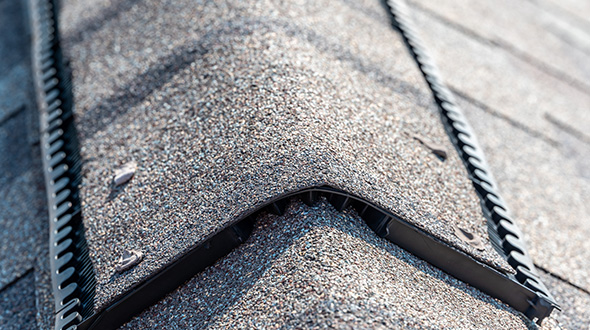
Passive ventilation (ridge vents plus soffit vents) works well for simple attics in moderate climates with balanced vent placement. However, on still, humid days, airflow drops significantly—sometimes 70% below optimal levels.
Powered fans deliver 5–10x more reliable CFM but cost 1–2 cents per hour to operate. Solar fans bridge the gap: zero electric bills with stronger performance than static vents, though output drops 20–40% on cloudy days.
A fan is one tool in a broader attic ventilation strategy, not a cure-all. Energy efficiency improves most when the entire ventilation system works together.
How Much Roof Ventilation (and Fan Capacity) Do You Need?
Building codes use simple sizing rules. The common guideline: 1 sq ft of total vent area for every 150 sq ft of attic floor (or 1:300 if a vapor barrier is present and vents are balanced).
Example calculation: A 1,500 sq ft attic needs 5–10 sq ft of net free vent area. A fan rated for 1,200–1,800 CFM typically suits this size, but intake capacity must match or exceed the fan’s exhaust CFM.
Without adequate ventilation at intakes, the fan struggles and may draw conditioned air from below. Consult local professionals familiar with building codes for precise sizing and compliance in your area.
Climate-Specific Considerations for Roof Ventilation Fans
Climate determines whether a fan primarily controls heat, moisture, or both.
Hot climates (U.S. South and Southwest): Focus on reducing attic heat that can exceed 130–150°F. Fans lower indoor temperatures and protect shingles from thermal degradation.
Humid and coastal climates: Emphasize moisture removal. Trapped moisture leads to mold, corroded fasteners, and damp insulation that never fully dries. Stale air must be continuously replaced with fresh air.
Cold climates: In cold climates, roof ventilation helps prevent ice dams by allowing warm air to escape, which reduces the chances of snow melting and refreezing at the roof edges, thus protecting the roof structure. Inadequate roof ventilation can cause ice dams to form, which can lead to significant damage to the roof and interior of the home. Roof ventilation fans can prevent ice dams in winter by maintaining a cold roof surface.
Seasonal example: A humid August day at 95°F/80% RH requires constant heat and moisture exhaust. A January night demands preventing ice dams by keeping the attic at outdoor temperature while expelling vapor from cooking and showers.
Installation Basics: How a Roof Ventilation Fan Is Fitted to Your Roof
This overview isn’t a DIY guide—working on roofs involves fall and leak risks.
Main installation steps:
- Choose a location near the roof ridge (the highest practical point)
- Cut an opening through the sheathing and shingles
- Install fan housing with proper flashing and sealing
- Wire electric fans to a dedicated circuit with a thermostat/humidistat
- Orient solar fan panels south for maximum sun exposure
Installers must verify that properly installed roof vents provide adequate intake and avoid conflicting exhaust paths. For instance, leaving a ridge vent fully open while adding a large powered attic fan can short-circuit airflow.
Professional installation, local code compliance, and manufacturer instructions ensure leak-free, long-lasting performance.
Maintenance and Lifespan of Roof Ventilation Fans
Even “set and forget” fans benefit from minimal maintenance every year or two.
Simple inspection tasks:
- Check for rust, cracked housings, and loose fasteners
- Clear debris around the fan opening
- Ensure soffits remain unblocked for proper airflow
Electric fans may need motor, bearing, or thermostat replacement after 8–15 years. Quality metal housings last 15–20+ years. Solar fans require occasional panel cleaning (dust, leaves, bird droppings) and may need component replacement after a decade.
Have the fan and attic checked during regular roof inspections to ensure ongoing roof ventilation work and watertight flashing.
Signs Your Home Might Need a Roof Ventilation Fan
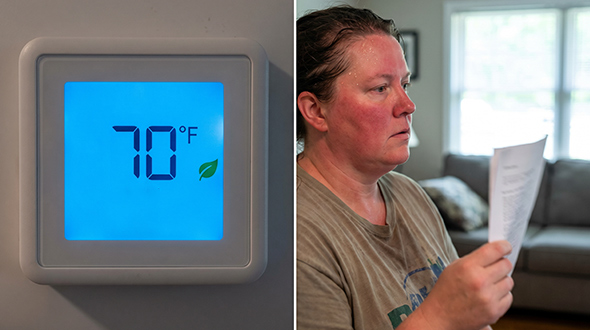
These common complaints often trigger fan installations:
Heat-related signs:
- Extremely hot second floor or attic in summer
- AC running constantly, yet the upper rooms stay uncomfortable
- Roof shingles appearing prematurely aged or curled
Moisture-related signs:
- Musty odors from the attic
- Visible mold on rafters or roof deck
- Frost or condensation on nails in cold weather
- Damp, flattened insulation showing moisture buildup
Utility and comfort clues:
- Consistently high summer electric bills
- Big temperature differences between floors
- Ice dams forming along roof edges
These symptoms indicate a need for an attic ventilation evaluation—not that a fan is automatically the only solution.
When to Call a Professional About Roof Ventilation Fans
Ventilation is part of your whole roofing system, and missteps can be expensive.
Call a roofing or HVAC professional if you:
- See leaks around an existing fan
- Notice unusual noise or vibration
- Suspect the fan isn’t running when conditions warrant it
Before adding a new fan, get a professional assessment to calculate the required CFM, check existing attic vents, and identify conflicts with chimneys or combustion appliances. Periodic attic inspections (every 1–2 years or after major storms) catch moisture or overheating problems early.
A well-designed, properly installed roof ventilation fan becomes a long-term, low-maintenance solution when handled by qualified experts.
Final Thoughts: How Roof Ventilation Fans Protect Your Home
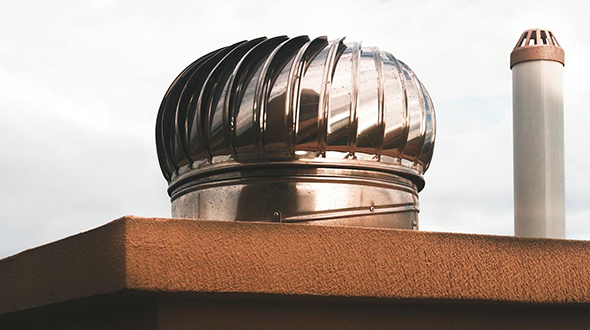
Roof vents help maintain the balance between intake and exhaust that keeps your home comfortable and protected. Whether powered by electricity, solar energy, or wind, these fans accelerate natural airflow to prevent heat buildup and moisture damage.
Proper roof ventilation isn’t just a comfort upgrade—it’s protection for your investment from 2026 onward. Roof vents work best when part of a complete system with adequate intake, correct sizing, and professional installation.
The takeaway: with the right fan, correctly sized and installed, your roof can breathe properly year-round, reducing the risk of heat damage, mold growth, and premature aging of roofing materials. Consider scheduling an attic evaluation to see whether your current ventilation system meets your home’s needs.
(404) 220-9288